


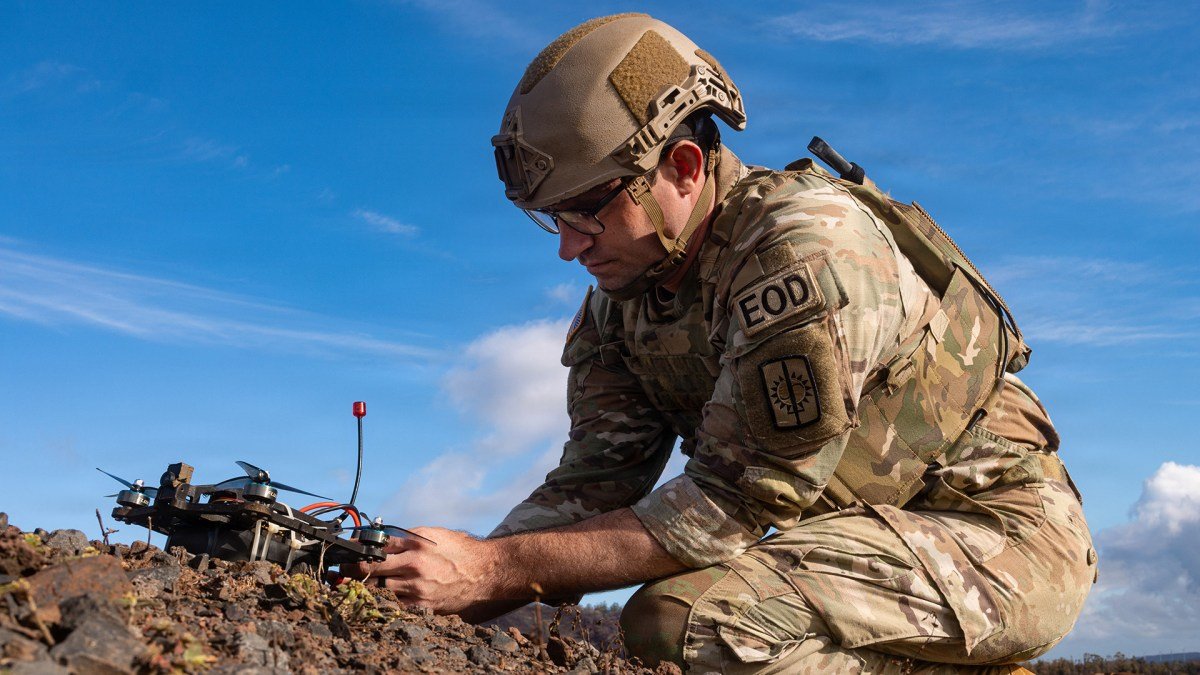
The Pentagon is proposing a massive spending increase for the Defense Autonomous Warfare Group, or DAWG, which oversees the development of drones and other unmanned systems.
The Defense Department’s proposed budget for fiscal year 2027 asks for nearly $54 billion for the DAWG, up from just $225.9 million that it has received for the current fiscal year, budget documents show.
The DAWG was created to unify the Defense Department’s efforts to quickly mass-produce unmanned systems for U.S. troops, a Pentagon official told Task & Purpose.
“The [fiscal year 2027] request consolidates and expands coordinated departmental oversight for the first time — $53.6 billion for all unmanned efforts across procurement, operations and maintenance, training, sustainment, and enabling capabilities,” the Pentagon official said in a statement.
Top Stories This Week
Under the Defense Department’s proposed budget for next fiscal year, the DAWG would have up to five years to spend the nearly $54 billion, with the option to speed up that timeline to two years if needed, the Pentagon official said.
To sustain the defense industrial base for the long term, DAWG would emphasize procurement, operations, maintenance, training and sustainment over the first years of the funding and then scaled back later to keep manufacturing lines active while avoiding the risk of overproduction, the Pentagon official said.
The DAWG’s proposed budget would dwarf that of its predecessor, the Replicator initiative, which launched in 2023 with the aim of fielding thousands of attritable drones. The Pentagon requested $500 million in fiscal year 2025 for Replicator, which has since been absorbed by the DAWG.
“I think of the DAWG as a pathfinder: They’re out there finding the best technology for us and working on integration,” Jules “Jay” W. Hurst III, who is performing the duties of the Pentagon’s comptroller, said at a Tuesday Pentagon news briefing.
Separately, U.S. Southern Command recently announced it will launch its own drone initiative that will work closely with the DAWG. The Southern Command Autonomous Warfare Command, or SAWC, will collaborate with the DAWG to determine what resources and capabilities it needs, a command news release says.
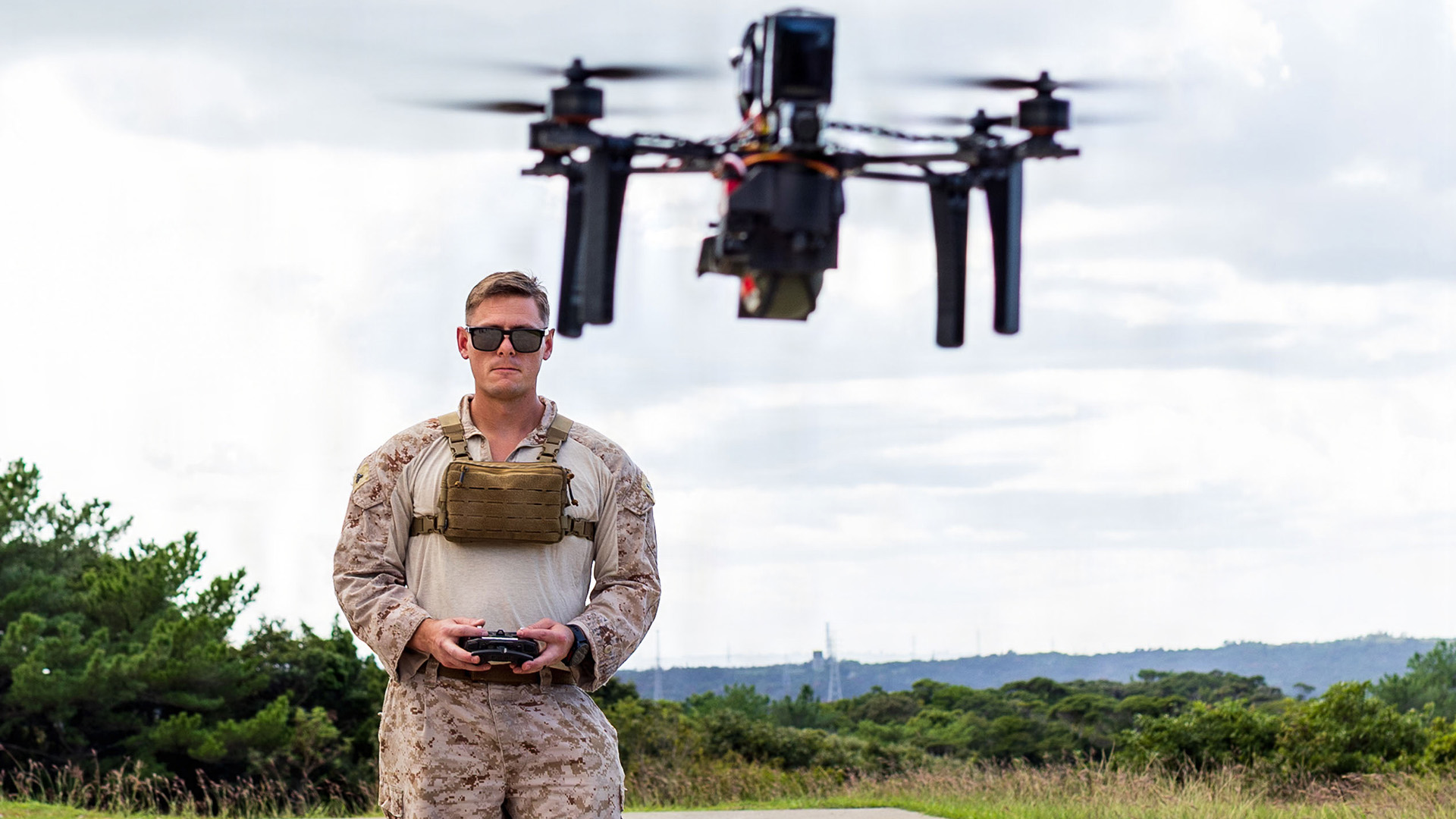
“The DAWG’s resources will enable SAWC to execute mission priorities, such as countering narcoterrorism, developing regional security cooperation, and enhancing effectiveness at responding to regional threats.” Hansel D. Pintos, a SOUTHCOM spokesperson, told Task & Purpose. “SAWC will work closely with the DAWG, leveraging its expertise and advanced capabilities to meet SOUTHCOM’s objectives in the region.”
For the past year, the U.S. military has been working furiously to develop and field small drones as both Ukraine and Israel have both launched devastating drone attacks from behind enemy lines.
More recently, Iran has shown how low-cost drones can overwhelm a target, said Benjamin Jensen, an expert on future war, gaming, and strategy at the Center for Strategic and International Studies think tank in Washington, D.C.
“We’re talking about $100,000 drones destroying multi-million dollar radars,” Jensen told Task & Purpose. “I think when you compound that with what you see in the Ukrainian drone services, both on the land side and at the sea side, you really get a sense of the kind of a range of options that are available to DAWG.”
Another reason why it is important for the U.S. military to field drones is they can be sent on missions instead of service members, Jensen said. For example, a drone could be used to defend a frontline position so that a service member doesn’t have to do so, he said.
“That saves life,” Jensen said. “It allows you to spread your forces and cover more areas.”

Task & Purpose Video

